
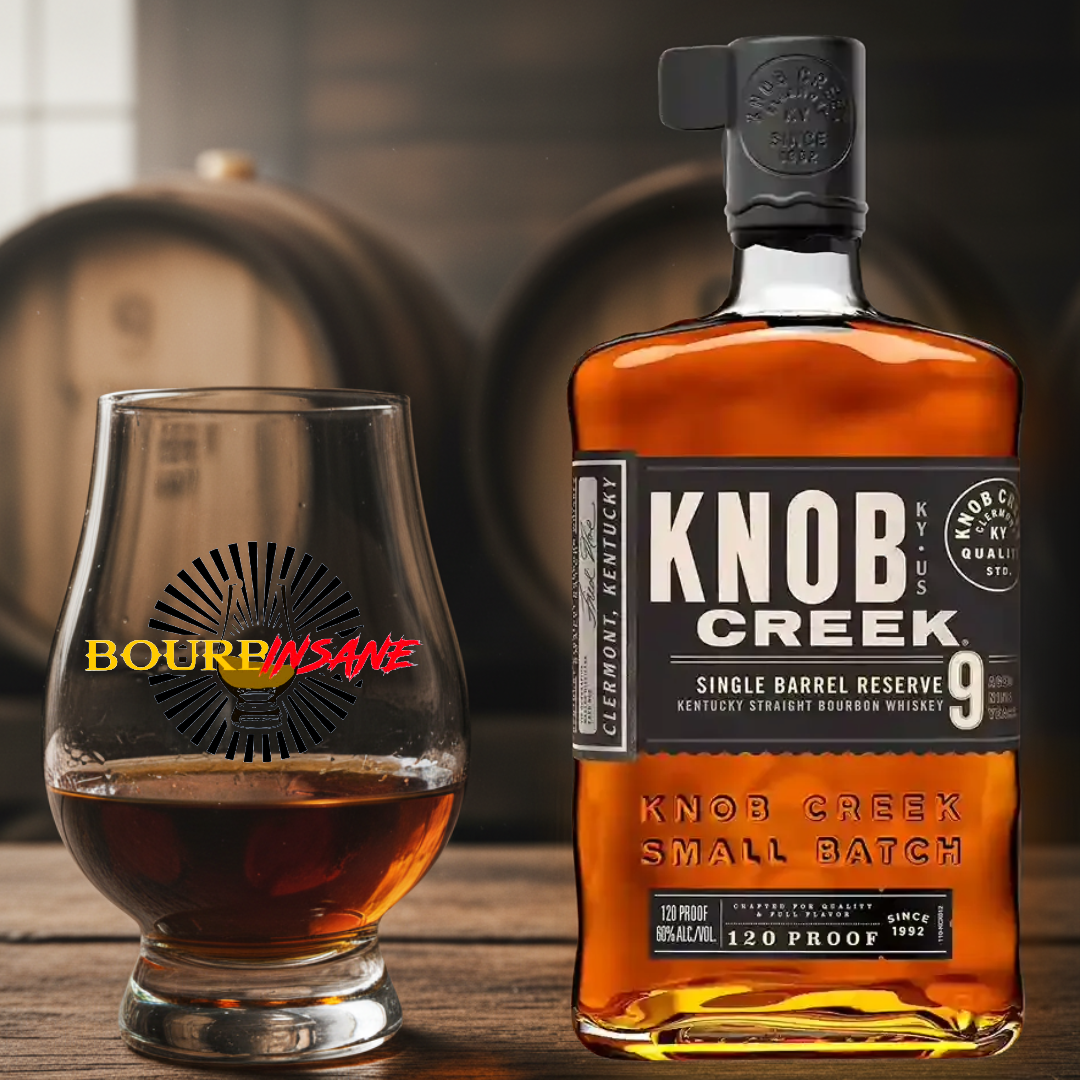
Why 9-10 Year Bourbons and High-Proof Single Barrels Hit the Sweet Spot
For bourbon lovers, the hunt for balance never really ends. Some chase older age statements for deep oak and complexity. Others swear by younger, livelier pours that keep more of the grain’s natural sweetness. But in my experience — and for many enthusiasts — the real magic often happens right around the nine-year mark, especially when that bourbon comes out of the barrel at a higher proof.
There’s something about that combination — an age where the whiskey has matured enough to find depth but hasn’t yet tipped into over-oaked territory, paired with the raw intensity of barrel proof — that consistently delivers some of the best pours in bourbon. Add the fact that many 9-year and barrel-proof bottles are still relatively available and reasonably priced compared to luxury releases, and you’ve got a category that deserves far more credit than it often gets.
Let’s dive into what makes nine years a sweet spot for bourbon, why high-proof single barrels hold such power and individuality, and how cost, availability, and quality intersect in today’s market.
The Science and Art of Bourbon Aging
 Bourbon’s journey inside the barrel is one of slow transformation. Every season, heat pushes the spirit into the oak’s pores, drawing out caramelized sugars, tannins, and spice. Cold months pull the whiskey back, creating layers of flavor that only time and wood can build.
During the first few years, the whiskey matures rapidly. By years four and five, it’s drinkable and often vibrant — think younger Elijah Craig or standard Maker’s Mark. But it’s around years seven through ten that the whiskey starts to develop that rich harmony of caramel, vanilla, oak, and spice that defines “classic bourbon character.”
Past twelve or fifteen years, the oak influence often becomes dominant. Some barrels can handle it beautifully (as in Elijah Craig 18 or George T. Stagg), but many start to lose balance — too dry, too tannic, or too bitter.
That’s why distillers and drinkers alike often talk about a “sweet spot” between eight and ten years. At nine years, you’ve got a bourbon that’s fully mature, integrated, and layered — without tipping over the edge.
The Case for 9-10 Year Bourbons
A 9-year bourbon carries history in every sip. It’s been through nearly a decade of summer heat and winter chill, the barrel expanding and contracting, trading its rough youth for structure and polish.
Flavor and Maturity
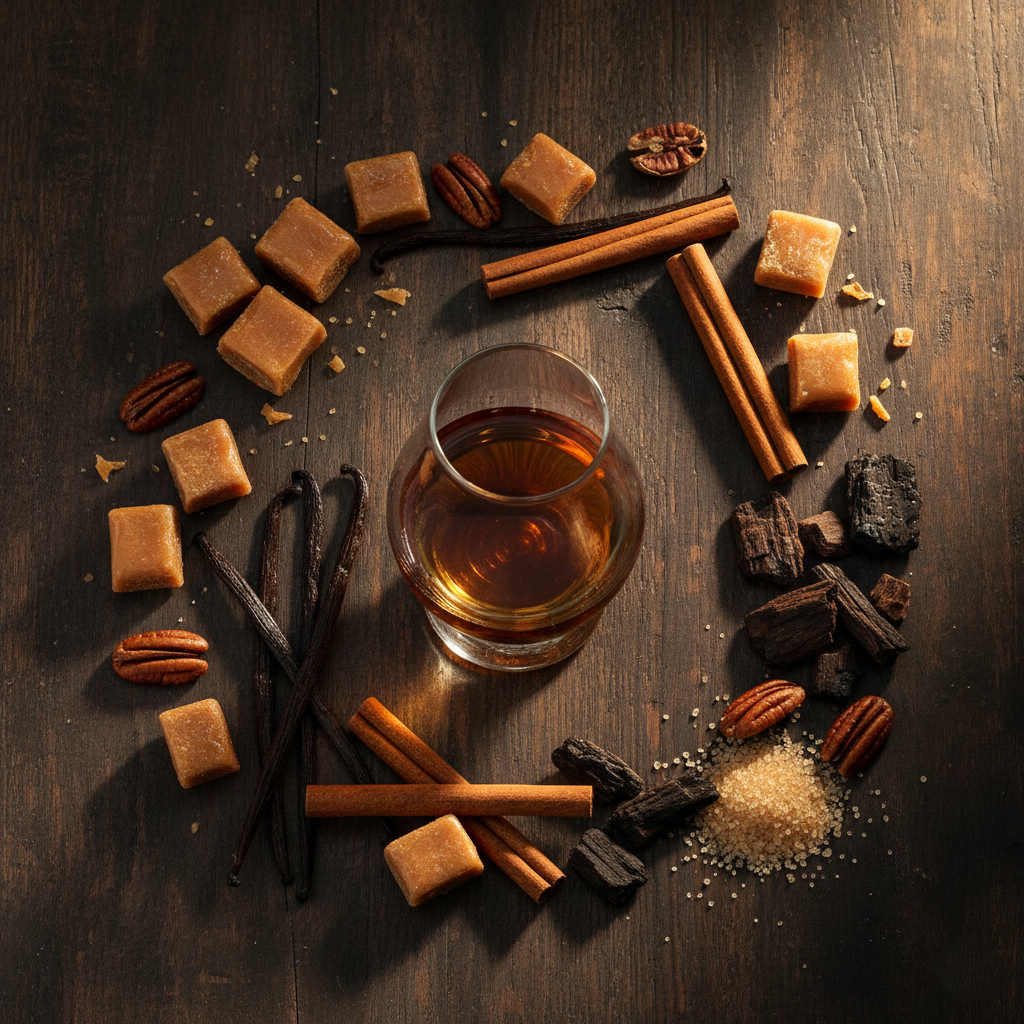
At nine years, bourbon tends to strike the ideal balance between sweetness and oak influence. The sugars from the corn have mellowed into toffee and caramel, while the wood imparts complexity — cinnamon, clove, and vanilla — without becoming bitter.
Compare that to a 4-year bourbon, which can be a bit sharp and grain-forward, or a 15-year, which might taste like licking a stave. Nine years gives you flavor depth without sacrificing liveliness.
Real-World Examples
- Knob Creek 9-Year: Once an overlooked bottle, this one has become a benchmark for value-aged bourbon. It consistently delivers full-bodied, rich flavor with classic vanilla, peanut, and oak notes — a perfect everyday sipper that tastes far more expensive than its ~$35–$40 price tag.
- Russell’s Reserve 10-Year: While technically just beyond nine, it represents that same mature sweet spot — balancing Wild Turkey’s signature spice with deep oak and caramel layers.
- Eagle Rare 10-Year: Although harder to find now, it showcases Buffalo Trace’s smoother profile at this age: refined, rich, and balanced.
Each of these bottles highlights what a decade of aging can do without needing to chase extreme rarity or secondary market prices.
Why High Proof and Single Barrel Matter
 Now, age alone doesn’t tell the whole story. Proof — and how a bourbon is bottled — changes everything.
When a whiskey comes out of the barrel, it’s often between 110 and 130 proof. Many distilleries cut that down to 90 or 100 proof to stretch supply and soften the flavor for casual drinkers. But barrel proof or cask strength releases skip that dilution, bottling the whiskey just as it came from the barrel.
That makes a world of difference. You’re tasting the bourbon in its purest form, exactly as it rested for nine years in oak — no added water, no smoothing out the edges.
Flavor Intensity
Higher proof bourbon hits harder, but it also carries more concentrated flavor. Every note — caramel, spice, oak, chocolate — becomes more vivid. And when you add just a few drops of water, it opens up in layers, revealing complexity that proofed-down bourbons can’t match.
Single Barrel Personality
Every barrel is unique. Even two barrels aged side-by-side can taste completely different due to subtle differences in grain, wood, and warehouse conditions. That’s the beauty of single barrel releases — each bottle captures an individual expression of the distillery’s character.
Take Elijah Craig Barrel Proof, for example. Every batch offers a slightly different profile — some more oaky and bold, others sweeter and fruitier — yet all share the same unmistakable Heaven Hill backbone. The same goes for Stagg Jr., now just labeled “Stagg.” Each release has a personality, and chasing those differences becomes part of the fun.
The Proof/Age Synergy
When you combine a mature 9-year age with barrel-proof intensity, something special happens. The oak character has developed enough to stand up to the alcohol’s strength, creating layers of flavor that dance between sweetness, spice, and heat.
At 4 or 5 years, that same proof might taste hot and sharp. At 15 or more, it can feel heavy and bitter. But around 9 years, the balance clicks — bold yet elegant.
Cost and Availability: The Value Equation
 Not long ago, you could walk into almost any liquor store and find Knob Creek 9-Year for under $30, Elijah Craig Barrel Proof on the shelf, and a few Russell’s Reserve bottles tucked away. Those days are fading, but this category still represents one of the best values in bourbon if you know where to look.
9-10 Year Bourbons – The Value Core
- Knob Creek 9-Year Small Batch – Around $35–$40, often available. It’s hard to beat for age and quality at that price point.
- Russell’s Reserve 10-Year – Around $50–$55. Still fairly available, delivers classic bourbon depth.
- Eagle Rare 10-Year – Suggested retail around $40, though secondary prices can double that due to limited distribution.
These bottles demonstrate that a well-aged bourbon doesn’t have to cost triple digits. In fact, the 9-year age point still sits in a sweet spot between flavor and affordability.
Barrel Proof & Single Barrel Bottles
- Elijah Craig Barrel Proof (12-Year) – Roughly $70–$80 retail, offering true barrel proof complexity with impressive consistency.
- Stagg (formerly Stagg Jr.) – Around $70 retail, though secondary markets often push it above $150 due to demand.
- Knob Creek Single Barrel Reserve (120 Proof, ~9 Years) – Around $50–$60. Still one of the best-kept secrets in bourbon for high proof flavor and value.
While prices have climbed, these bottles still deliver premium performance without luxury markup. You’re paying for quality and authenticity — not fancy packaging or limited-edition hype.
Availability Trends
The biggest challenge today isn’t necessarily cost — it’s availability. Limited allocations and regional distribution make certain brands tough to find. But the upside is that distilleries are increasingly leaning into store picks and private barrel programs, giving enthusiasts new opportunities to discover unique expressions at reasonable prices.
Knob Creek, for instance, offers excellent single barrel store picks that vary from eight to twelve years old — often even better than the standard 9-Year Small Batch. These releases reward curiosity and community connections, often becoming local favorites.
How Age, Proof, and Price Interact
 Let’s think about bourbon in terms of value — not just what you pay, but what you get for your money in flavor and experience.
- Younger Bourbons (4–6 Years): Usually priced $25–$40. Lively, sweet, sometimes sharp. Good for cocktails or casual sipping.
- Mid-Aged Bourbons (7–10 Years): Typically $35–$60. Balanced, complex, and versatile. This is where 9-year bourbons shine.
- Older Bourbons (12–18+ Years): $100–$300+. Rich and deep but risk over-oaking or becoming too drying. Often more about prestige than daily enjoyment.
Then layer proof into the equation:
- 90–100 Proof: Smooth and accessible, but can feel muted.
- 110–120 Proof: Bold and expressive, the sweet spot for flavor and structure.
- 125+ Proof: High intensity, often spectacular when balanced by sufficient age.
This is why 9-10 year, high-proof bourbons are such a sweet combination. You’re right in that middle ground — mature enough to have character, but still energetic enough to shine at higher proofs.
The Enthusiast’s Perspective
For serious bourbon fans, chasing barrel proof and single barrel releases isn’t just about collecting — it’s about exploration. Every barrel tells a slightly different story. You learn to appreciate subtle shifts in warehouse location, char level, and mash bill.
One store’s Knob Creek Single Barrel might explode with brown sugar and roasted nuts, while another leans toward dark fruit and oak. That variability is part of what makes bourbon exciting — it keeps you tasting, comparing, and learning.
At the same time, there’s a maturity in realizing that you don’t need to chase unicorn bottles to drink great bourbon. The most rewarding pours are often the ones sitting quietly on the shelf, aged just right, bottled with character, and priced fairly.
A 9-10 year bourbon at barrel proof embodies that philosophy. It’s not trying to be flashy — it just delivers, every time.
Why This Era of Bourbon Might Be the Best Yet
Even with rising prices and tougher allocations, we’re living through a golden age of bourbon variety. Never before have so many distilleries offered single barrel picks, high-proof options, and transparency about age and mash bill.
Ten years ago, most consumers didn’t even know what “barrel proof” meant. Now, enthusiasts seek it out. Distilleries are responding by leaning into small batch, single barrel, and cask strength lines — because people want authenticity.
And when you think about where bourbon peaks in terms of flavor, approachability, and value, the 9-year barrel-proof range consistently stands out. These bottles are often the best representation of a distillery’s DNA — not watered down, not over-aged, just honest whiskey done right.
Conclusion: The Bourbon Balance
If I could only keep one type of bourbon on my shelf, it would probably be a 9-year single barrel at barrel proof. There’s just no other category that combines this level of maturity, intensity, and drinkability for the price.
A great 9-10 year bourbon captures everything that makes whiskey special — time, craft, and individuality. And when it’s bottled at full strength, it invites you to experience the spirit as the distiller intended, pure and powerful.
So the next time you’re scanning a shelf or browsing an online drop, don’t just look for the flashiest label or the oldest age statement. Look for that nine-year range, check the proof, and grab that single barrel when you can. Odds are, you’re holding one of bourbon’s true sweet spots.

There are no comments
Leave a Reply
You must be logged in to post a comment.