
Bourbon vs. Rye: What’s the Real Difference in Taste, Aging, and Style?
Introduction
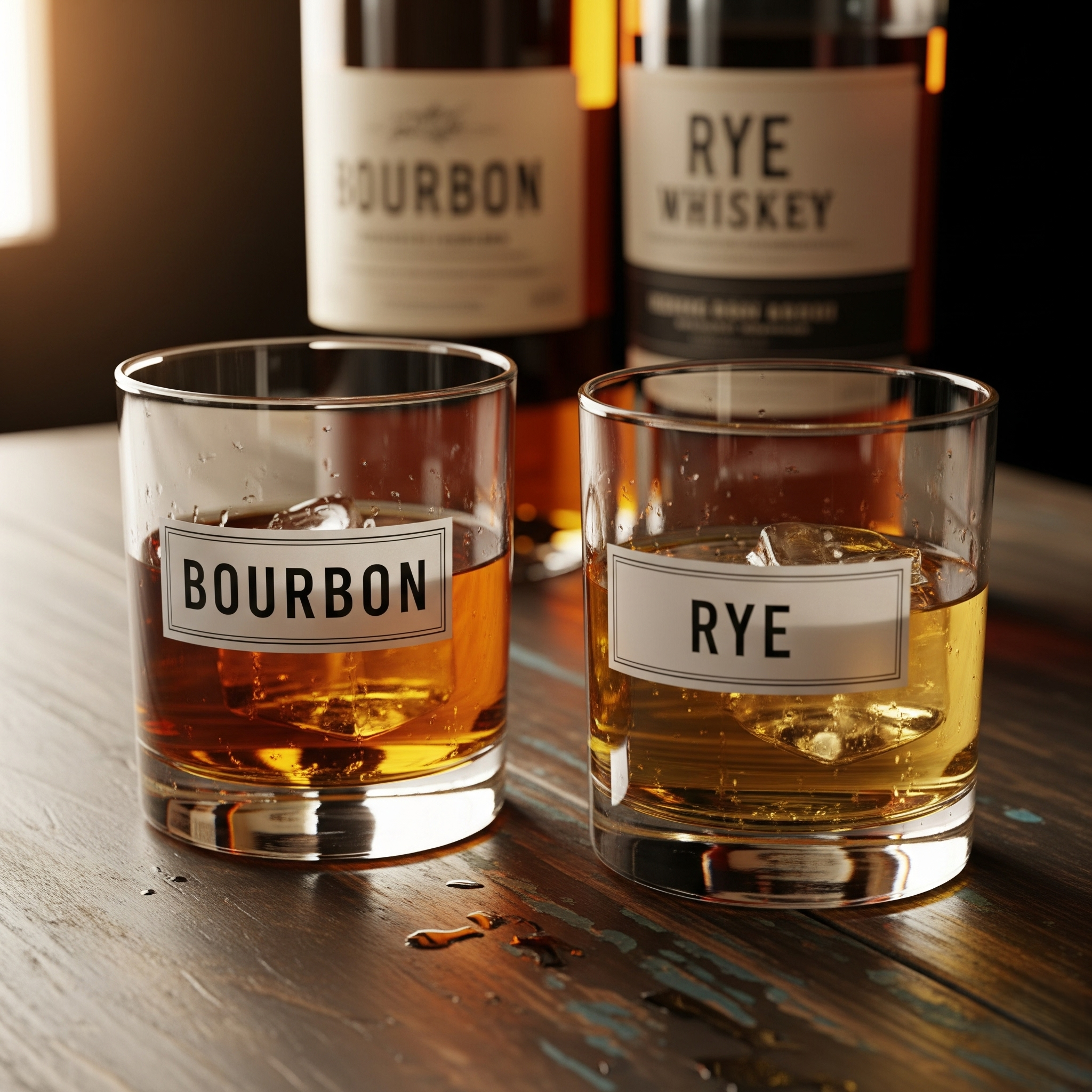
Bourbon vs. Rye is one of the most common questions for new whiskey drinkers—and one of the most debated among enthusiasts. Both are American whiskeys, both are aged in new charred oak barrels, and both can be enjoyed neat, on the rocks, or in cocktails. But their mash bills, flavor profiles, and regional histories set them apart in ways that are worth exploring.
If you’ve ever wondered about the real difference between bourbon and rye whiskey, this guide breaks it down: grain, taste, aging, regional styles (including Canadian rye), and top distilleries making each style today.
What Defines Bourbon?
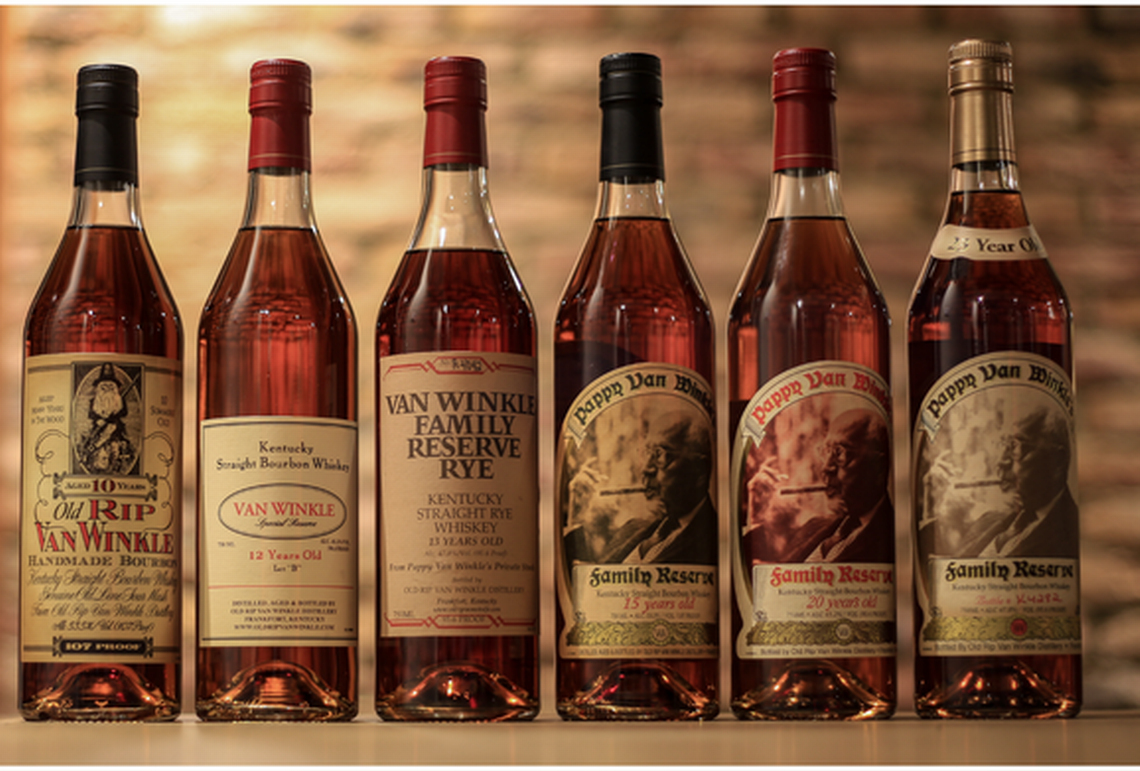 Bourbon must meet strict legal standards:
- Mash Bill: At least 51% corn (with rye, wheat, and malted barley making up the rest).
- Barrel Aging: Must be aged in new, charred oak barrels.
- Distillation Proof: Distilled no higher than 160 proof, barreled no higher than 125 proof.
- Origin: Can be made anywhere in the U.S., though Kentucky bourbon is the most famous.
Flavor Profile of Bourbon:
- Sweet, rich, and approachable.
- Tasting notes often include vanilla, caramel, brown sugar, oak, and baking spices.
- Classic examples: Buffalo Trace, Maker’s Mark, Wild Turkey 101, Knob Creek.
What Defines Rye Whiskey?
Rye whiskey follows similar rules to bourbon but substitutes rye as the dominant grain:
- Mash Bill: At least 51% rye grain (though some go as high as 95–100%).
- Barrel Aging: Must also be aged in new, charred oak barrels.
- Flavor Profile: Rye grain adds spice, pepper, herbal notes, and a dry finish.
Flavor Profile of Rye Whiskey:
- Spicy, bold, and complex.
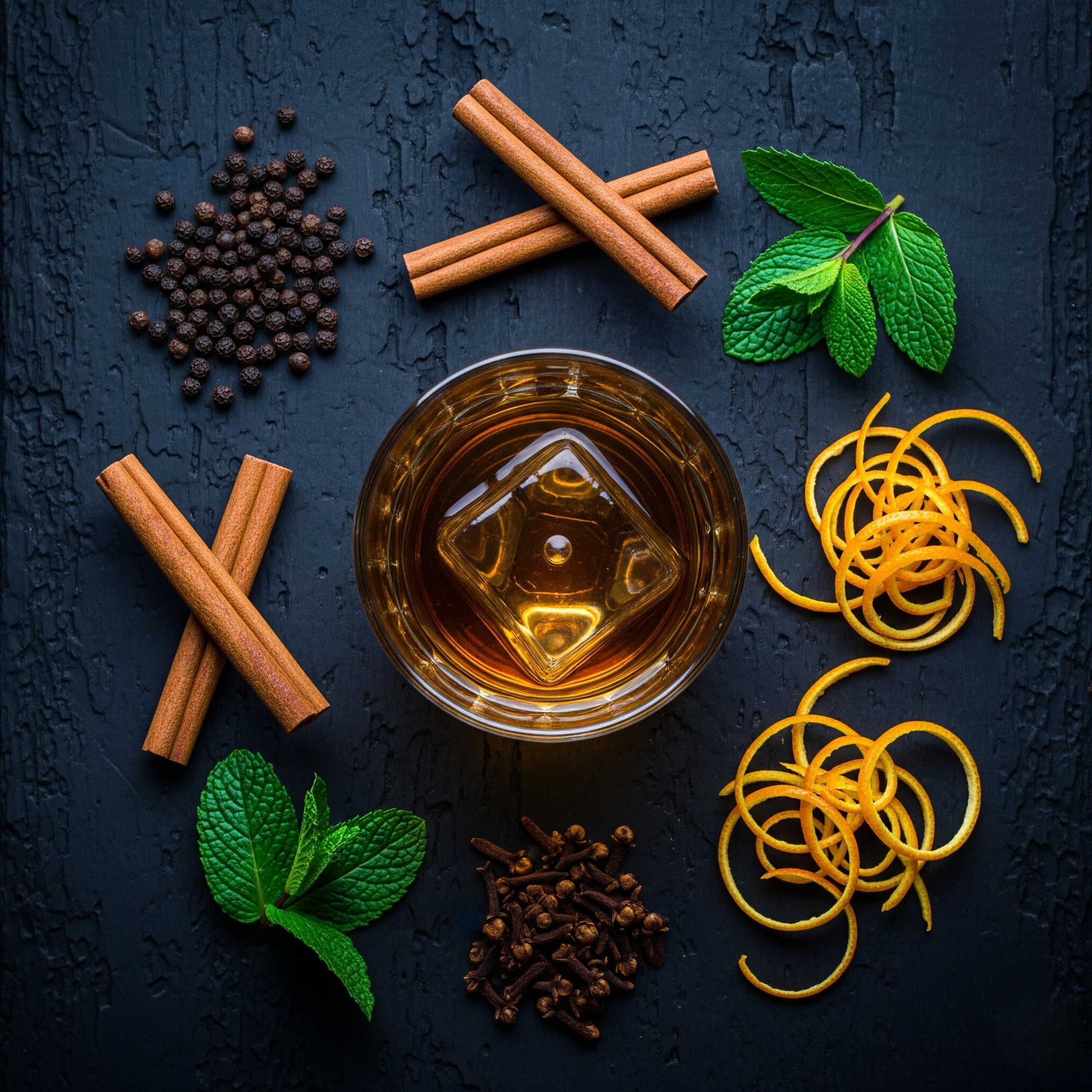
- Notes of black pepper, cinnamon, clove, mint, citrus zest, and dry oak.
- Classic examples: Rittenhouse Rye (Heaven Hill), Wild Turkey Rye, Bulleit Rye, Pikesville Rye.
Bourbon vs. Rye Taste: Sweet vs. Spicy
- Bourbon = Sweet & Rich
- Rye = Spicy & Bold
This makes bourbon generally more approachable for beginners, while rye offers complexity and bite for more adventurous palates.
How Aging Impacts Bourbon vs. Rye
- Bourbon: Corn sweetness balances oak quickly, so many bourbons taste mature at 4–8 years.
- Rye: Spice-forward rye takes longer to mellow, often showing its best at 6–10 years. Younger rye can taste grassy, while older rye develops layered depth.
Regional Rye Whiskey Styles in the U.S.
 Maryland Rye (Sweeter, Fruitier Style)
Maryland historically favored rye blends with more corn, resulting in a softer, slightly sweeter style.
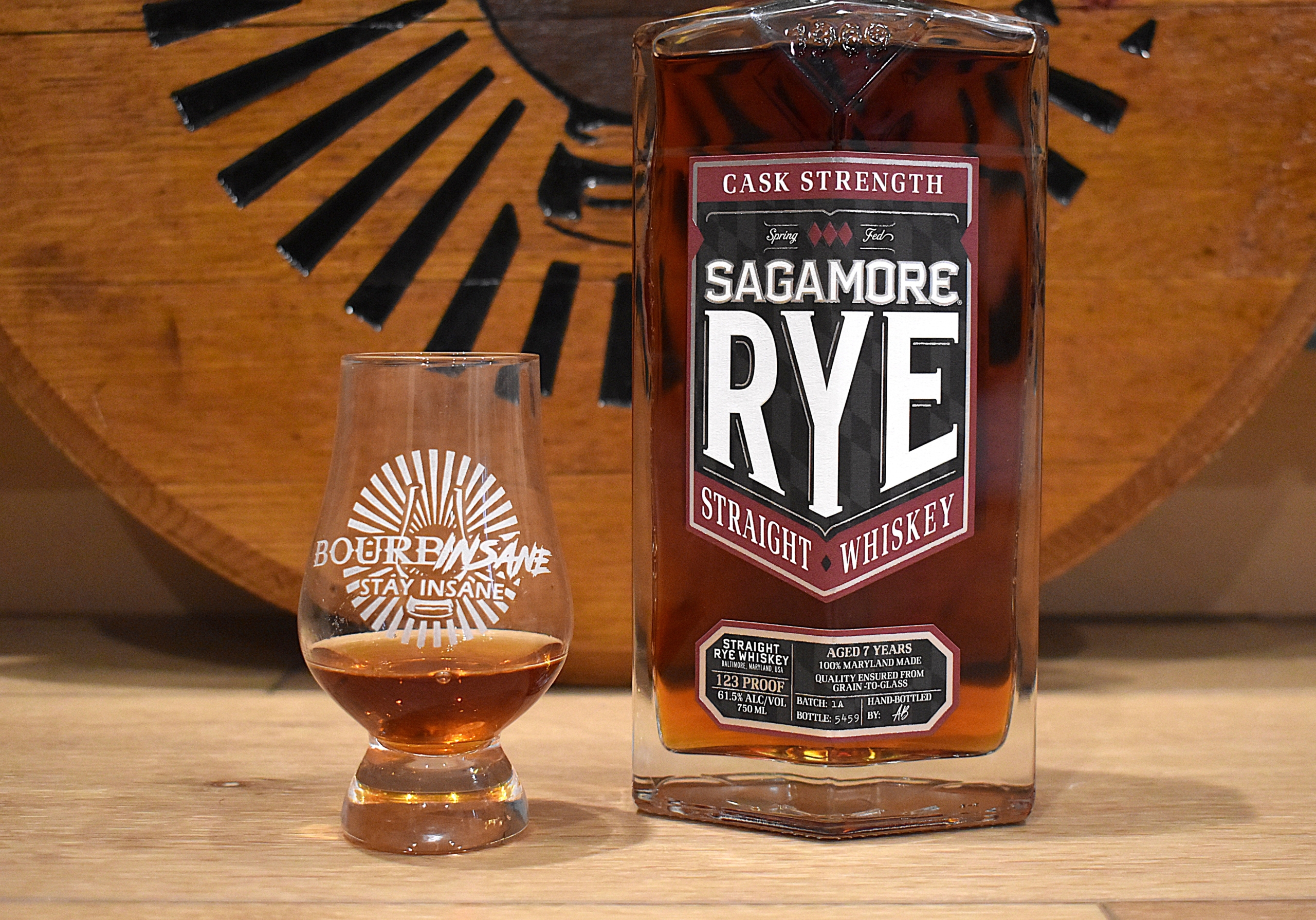
- Modern Example: Sagamore Spirit (Baltimore, MD) is leading the revival of Maryland rye with both straight rye and cask strength releases.
Pennsylvania (Monongahela) Rye (Bold, 100% Rye)
Pennsylvania’s rye tradition leaned toward high-rye or 100% rye mash bills, producing a bold, spicy whiskey.
- Modern Example: Dad’s Hat (Bristol, PA) focuses on classic Pennsylvania rye, often using local grains.
Kentucky Rye (Closer to Bourbon)
Kentucky rye often just clears the 51% rye requirement, with a high percentage of corn. This makes it taste closer to bourbon but with a little extra spice.
- Modern Examples: Wild Turkey Rye, Heaven Hill Rittenhouse, Woodford Reserve Rye.
Indiana Rye (MGP High-Rye Powerhouse)
Indiana, specifically MGP in Lawrenceburg, is the source of many high-rye mash bills (95% rye is common) used in brands like WhistlePig, Bulleit Rye, Redemption, and High West.
Canadian Rye: A Different Approach
In Canada, “rye” is often more about style than mash bill—by law, Canadian whisky can be called rye even if it contains little rye grain. However, many Canadian distillers do produce high-rye or 100% rye whiskies, especially in Alberta.
- Alberta Rye (Alberta Distillers Ltd.): Known for bold, spicy 100% rye mash bills. Their whisky is used in Alberta Premium, as well as sourced brands like WhistlePig 10 Year and others.
- Aging in Canada: Alberta’s cool, dry climate slows evaporation (“angel’s share”) and softens the impact of oak, so younger ryes often taste older than their years. A 7-year Alberta rye can drink like a 10–12 year Kentucky rye.
Bourbon vs. Rye in Cocktails

- Bourbon Cocktails: Old Fashioned, Mint Julep, Boulevardier → smooth, sweet, and rich.
- Rye Cocktails: Manhattan, Sazerac, Whiskey Sour → spicy, bold, cuts through mixers.
- Canadian Rye Cocktails: Often used in lighter highballs, or swapped for U.S. rye in Manhattans for a softer touch.
Which Should You Choose?
- New to Whiskey? Bourbon is sweeter and more approachable.
- Want More Spice & Complexity? Rye is bold and layered.
- Curious About Global Styles? Try Kentucky rye vs. Maryland rye vs. Alberta rye side by side—you’ll see just how diverse rye can be.
Final Thoughts: Bourbon vs. Rye
 At its core, the bourbon vs. rye difference comes down to:
- Corn = Sweet, smooth bourbon
- Rye = Spicy, bold whiskey
But when you factor in regional traditions—Maryland’s sweeter ryes, Pennsylvania’s bold spice, Kentucky’s bourbon-like rye, Indiana’s high-rye powerhouse, and Canada’s unique Alberta style—you unlock a full spectrum of flavors.
The best way to learn? Pour a classic bourbon like Buffalo Trace next to a rye like Sagamore Spirit or Alberta Premium and taste the contrast for yourself.

There are no comments
Leave a Reply
You must be logged in to post a comment.