
Why Bourbon Prices Keep Rising (And Why It’s Not Slowing Down)
Over the past decade, bourbon has gone from a relatively niche American whiskey to one of the most sought-after spirits in the world. What used to be an affordable everyday pour has become increasingly expensive, harder to find, and in some cases almost mythical. Walk into many liquor stores today and you’ll see empty spaces where popular bottles once sat, price tags that seem to climb every year, and allocation lists for bottles that used to collect dust on the shelf.
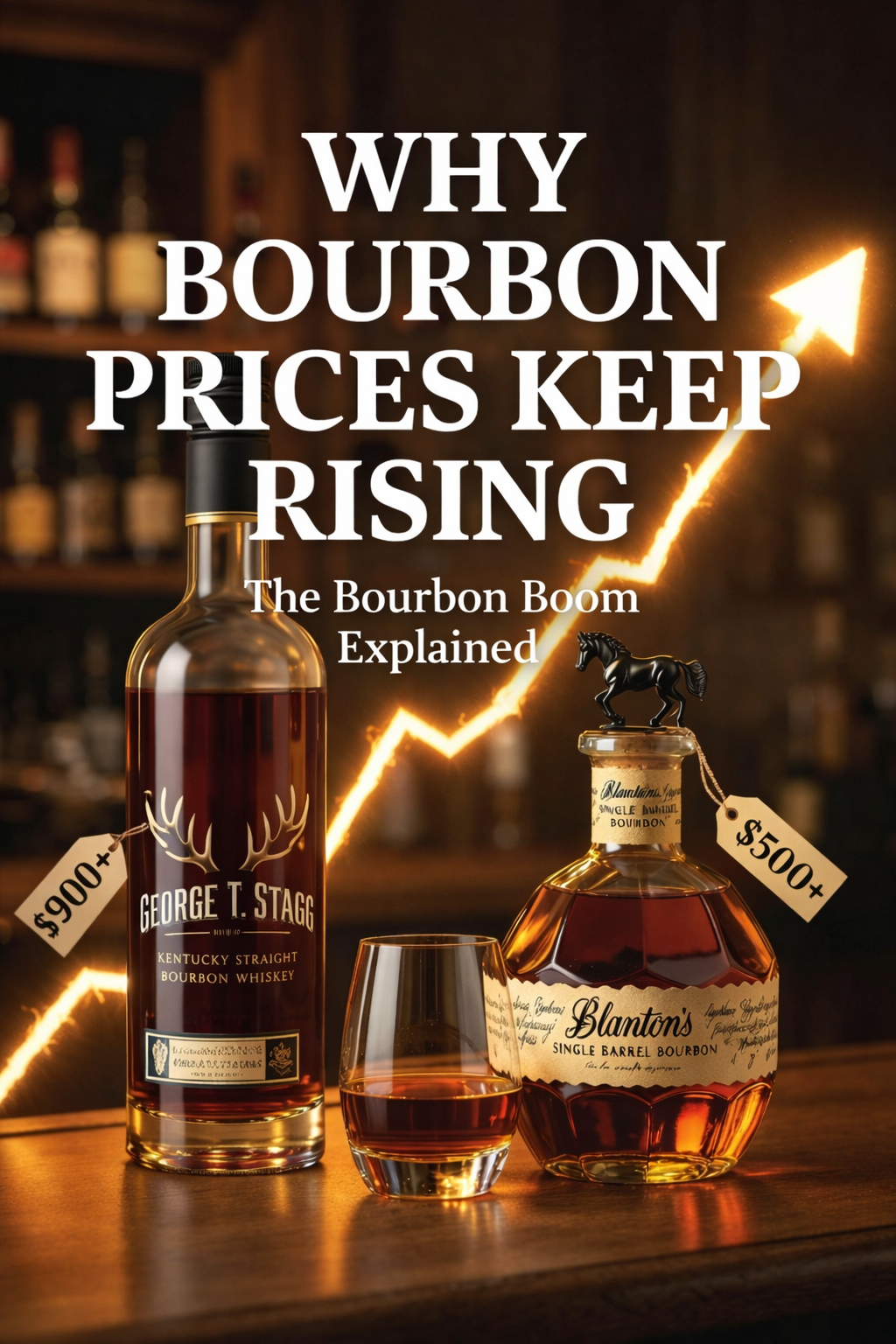
For longtime bourbon drinkers, the shift has been dramatic. Bottles that were once easy to grab for $25–$40 are now hunted, hoarded, or sold on the secondary market for several times their suggested retail price. A prime example is Eagle Rare 10 Year Bourbon, which used to be widely available but now disappears quickly whenever it hits the shelf. Another example is Blanton’s Single Barrel Bourbon, a bottle that many bourbon drinkers remember seeing regularly in stores but is now one of the most chased bottles in the category.
So what happened? Why have bourbon prices continued to rise year after year?
The answer isn’t just one thing. Bourbon’s price surge is the result of several forces working together: long production timelines, exploding demand, global expansion, and the rise of the secondary market. Understanding these factors helps explain why bourbon has become more expensive—and why prices may continue climbing in the years ahead.
The Reality of Barrel Aging
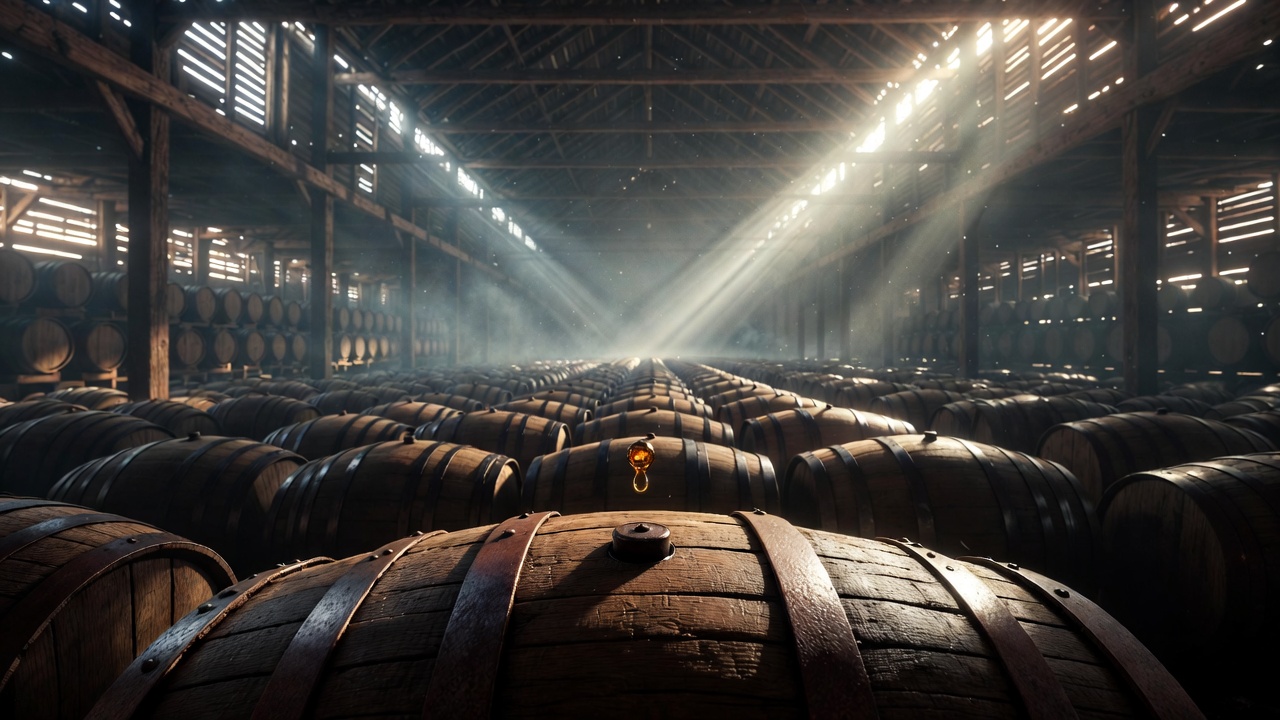 One of the most important factors behind bourbon pricing is something that has always been true about whiskey: it takes time.
Unlike many other spirits that can be produced relatively quickly, bourbon must be aged in new charred oak barrels. Even younger bourbons that hit the market at four years old represent a significant investment of time, storage, and resources.
Many of the most desirable bourbons on the market today are aged even longer. Ten years, twelve years, and sometimes much more. Every additional year a barrel sits in a warehouse represents additional costs for the distillery.
There are several reasons aging increases cost:
1. Storage space
Bourbon warehouses—often called rickhouses—hold thousands of barrels stacked floor to ceiling. As demand grows, distilleries need to build more warehouses to store their aging whiskey. These structures are massive and expensive to construct and maintain.
2. The angel’s share
Every year a portion of whiskey evaporates from the barrel. This natural evaporation is known as the “angel’s share.” In Kentucky’s climate, barrels can lose anywhere from 3–5% of their contents annually.
Over time, this adds up.
A barrel filled with bourbon might contain 53 gallons when it’s first put into the warehouse. After a decade, that same barrel might yield significantly less liquid due to evaporation. Less liquid means fewer bottles, which increases the value of what remains.
3. Long-term forecasting
Perhaps the most difficult challenge for distilleries is predicting demand years in advance. If a distillery wants to release a 10-year bourbon in 2036, it must produce and store those barrels today.
Historically, bourbon demand has gone through boom-and-bust cycles. In the late 20th century, bourbon sales declined significantly, leading many distilleries to scale back production. When demand surged again in the 2010s, there simply weren’t enough older barrels available to meet consumer interest.
That gap between production and demand is still influencing the market today.
Demand Has Exploded
 If aging explains why bourbon can’t instantly scale up production, demand explains why prices have surged so dramatically.
Over the past 15 years, bourbon has experienced a massive increase in popularity. Several factors helped fuel this boom.
The Cocktail Renaissance
The resurgence of classic cocktails in the late 2000s and early 2010s helped introduce a new generation of drinkers to whiskey. Bars and restaurants began focusing on high-quality spirits, handcrafted cocktails, and traditional recipes.
Drinks like the Old Fashioned, Manhattan, and Boulevardier brought bourbon back into the spotlight.
As cocktail culture grew, more people began exploring bourbon on its own as well.
Premiumization
Another major trend in the spirits industry has been “premiumization.” Consumers increasingly prefer buying fewer but higher-quality bottles. Instead of purchasing a budget whiskey, many drinkers are willing to spend more on a premium product.
This shift encouraged distilleries to release more high-end expressions and special editions, which naturally carry higher price points.
The Influence of Social Media and YouTube
The bourbon boom has also been fueled by online communities. Whiskey reviews, tasting videos, and enthusiast groups have created a constant conversation around new releases, limited bottles, and “must-try” bourbons.
Collectors and enthusiasts often share photos of rare bottles, tasting notes, and hunting stories. This type of content can quickly generate hype around certain brands or releases.
When a bottle becomes popular in these circles, demand can spike almost overnight.
Bourbon Goes Global
While bourbon has always been closely associated with the United States, it has increasingly become a global spirit.
International demand for bourbon has surged in recent years, particularly in markets such as Europe and Asia. Countries like Japan, the United Kingdom, and Australia have developed strong followings for American whiskey.
Exports of American whiskey have grown significantly over the past decade. When distilleries begin selling more product overseas, the same supply of barrels must now serve both domestic and international markets.
In other words, the bourbon that once stayed within the United States is now being enjoyed all over the world.
This global expansion creates additional competition for bottles that are already limited.
For consumers walking into a local liquor store, this can translate into fewer bottles on shelves and higher prices when they do appear.
The Rise of the Secondary Market
 Perhaps the most controversial factor driving bourbon prices is the rise of the secondary market.
The secondary market refers to the unofficial resale of whiskey bottles between collectors and enthusiasts. These transactions often take place online, in private groups, or through informal networks.
In this market, certain bottles can sell for far more than their retail price.
For example, a bottle that might have a suggested retail price of $40 could sell for several hundred dollars on the secondary market if demand is high enough.
This dynamic has had a major influence on the bourbon ecosystem.
How the Secondary Market Impacts Retail
Even though most liquor stores technically sell bottles at or near retail pricing guidelines, store owners are aware of what bottles are worth on the secondary market.
If a bottle consistently sells for several times its retail value online, retailers may raise their prices accordingly or reserve those bottles for loyal customers.
Some stores also bundle highly sought-after bottles with other purchases or include them in lotteries and raffles.
These strategies are often attempts to balance fairness with the realities of market demand.
Hype and Scarcity
The secondary market also amplifies hype.
When collectors see bottles selling for extreme prices, the perception of rarity increases. That perception fuels more demand, which pushes prices even higher.
This cycle can turn relatively normal bottles into “unicorns” almost overnight.
The Allocation System
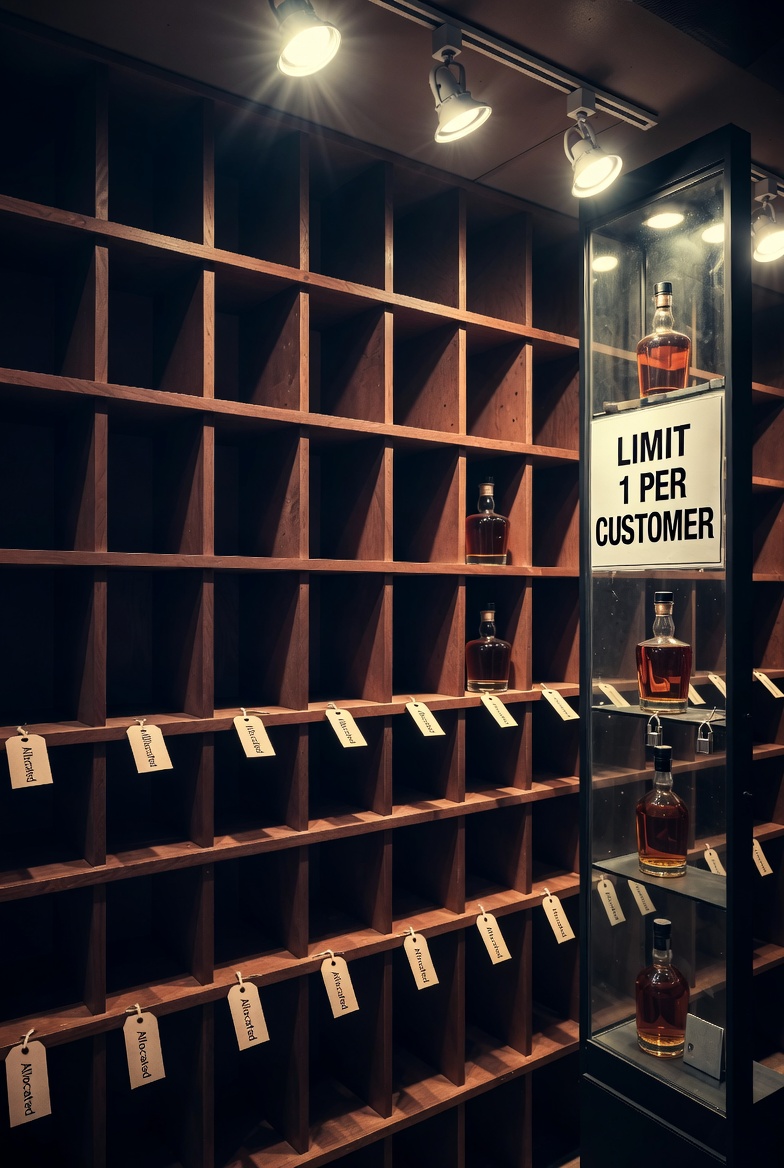 Another reason consumers see higher prices and limited availability is the way many bourbons are distributed.
Distilleries often allocate certain bottles to distributors based on previous sales performance. Distributors then allocate those bottles to retailers using their own systems.
Stores that sell more of a particular brand often receive larger allocations of that distillery’s limited releases.
This system encourages retailers to promote specific brands, but it can also make certain bottles difficult for casual buyers to obtain.
When bottles are scarce and demand is high, prices naturally increase.
Distillery Expansion and Rising Costs
Ironically, even as bourbon becomes more profitable, producing it has become more expensive.
Many distilleries are investing heavily in expansion to meet future demand. New stills, fermentation tanks, warehouses, visitor centers, and bottling lines require massive capital investments.
Major producers across Kentucky and the United States have announced multi-million-dollar expansion projects in recent years.
These investments are designed to ensure that there will be enough bourbon aging in warehouses to meet demand a decade from now. However, in the short term, they also contribute to rising production costs.
Those costs inevitably influence bottle prices.
Are Bourbon Prices Going to Keep Rising?
The big question many bourbon drinkers ask is whether this trend will continue.
The answer is complicated.
On one hand, distilleries are dramatically increasing production. Many companies have laid down far more barrels in recent years than ever before. Over time, that additional supply could help stabilize the market.
On the other hand, demand remains extremely strong. New drinkers continue discovering bourbon every year, and global interest shows no signs of slowing down.
It’s possible that the market will eventually reach a point where supply and demand balance out. When that happens, some of the extreme scarcity around certain bottles may fade.
But even if that occurs, bourbon is unlikely to return to the prices seen twenty years ago.
The New Reality of Bourbon
 For longtime enthusiasts, the rising cost of bourbon can be frustrating. It’s easy to remember when bottles that are now difficult to find were once everyday pours.
At the same time, the bourbon boom has also brought positive changes. Distilleries are thriving, new producers are entering the market, and the variety of available whiskey has never been greater.
Today’s bourbon landscape includes everything from historic Kentucky brands to innovative craft distilleries experimenting with grains, fermentation, and barrel finishes.
While prices may continue to rise for some of the most sought-after bottles, there are still excellent bourbons available at reasonable prices for those willing to explore beyond the hype.
In many ways, the bourbon world is simply evolving.
And for those who truly love the spirit, the best bottle will always be the one that’s opened, shared, and enjoyed—not the one sitting on a shelf waiting for its value to increase.
For more bourbon reviews, shelf finds, and honest whiskey opinions, explore more articles on Bourbinsane.

There are no comments
Leave a Reply
You must be logged in to post a comment.