

The 5 Most Misunderstood Terms in Whiskey (And What They Actually Mean)
Introduction: Cut Through the Whiskey Jargon
 Whiskey can be deliciously complex. But let’s face it—so can the terminology. Whether you’re new to bourbon or a seasoned collector, chances are you’ve heard terms like “single barrel,” “cask strength,” or “bottled-in-bond” thrown around without ever getting a full explanation. Even worse, some of these terms are used interchangeably or incorrectly, spreading more confusion in an already nuanced category.
That’s where this guide comes in.
I’m breaking down the 5 most misunderstood whiskey terms. Not only will you learn what each term really means, but you’ll also understand how it impacts the whiskey in your glass. Whether you’re shopping for your next pour or explaining things to a friend, this article will give you the clarity you need.
Single Barrel
What People Think It Means: It’s just a marketing buzzword for fancy bourbon.
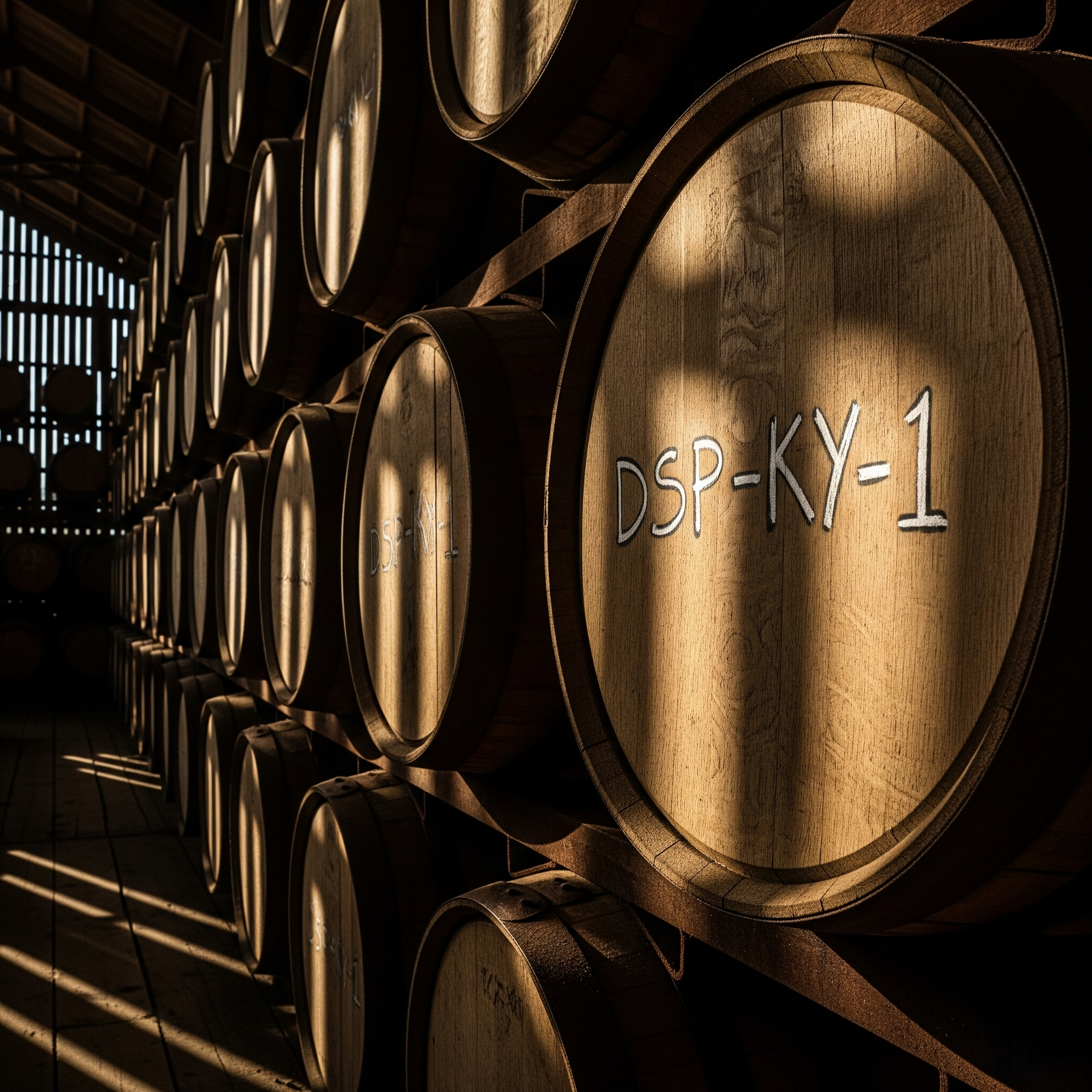
What It Really Means: A single barrel whiskey comes from one individual barrel—not a blend of many. Each bottle drawn from that barrel reflects the unique environment in which it aged. That means no two single barrel whiskeys are ever exactly alike, even if they’re from the same brand.
Why It Matters: Every barrel in a rickhouse (the warehouse where bourbon is aged) develops differently. Variables like location in the warehouse (top floor vs. bottom), temperature swings, and airflow all influence how the spirit interacts with the charred oak. Over 4–12 years, this can dramatically alter the taste, aroma, and mouthfeel.
So, when you buy a bottle labeled “Single Barrel,” you’re getting a completely unblended, unaltered representation of one specific barrel. It’s often viewed as a more “authentic” whiskey experience—but it also introduces variability. Some barrels are magical; others might be less impressive.
Real-World Example: Blanton’s Single Barrel is one of the most recognizable names in this category, but countless brands offer single barrel options, including Russell’s Reserve, Four Roses, and even smaller craft distillers.
Pro Tip: Seek out store picks or private barrel selections. These are typically hand-selected by whiskey experts and often offer better-than-average barrels. The store’s name is usually printed on the label or tag.
Small Batch
 What People Think It Means: It’s a legally defined production term, like “organic.”
What It Really Means: Unlike terms like “bottled-in-bond” or “straight bourbon,” “small batch” has no official legal definition. It’s a marketing term used to indicate that a whiskey was made from a smaller selection of barrels—though “smaller” is entirely subjective.
Why It Matters: Some distilleries define small batch as a blend of 10 barrels. Others may use up to 200 or more and still call it small batch. Because there’s no regulatory oversight, the term can be misleading. Consumers often assume it means higher quality or more careful blending—but that isn’t always true.
That said, many distilleries do treat small batch releases with more attention to detail. Master blenders might experiment with a specific flavor profile, selecting barrels that work together harmoniously in a way mass-market bourbons can’t.
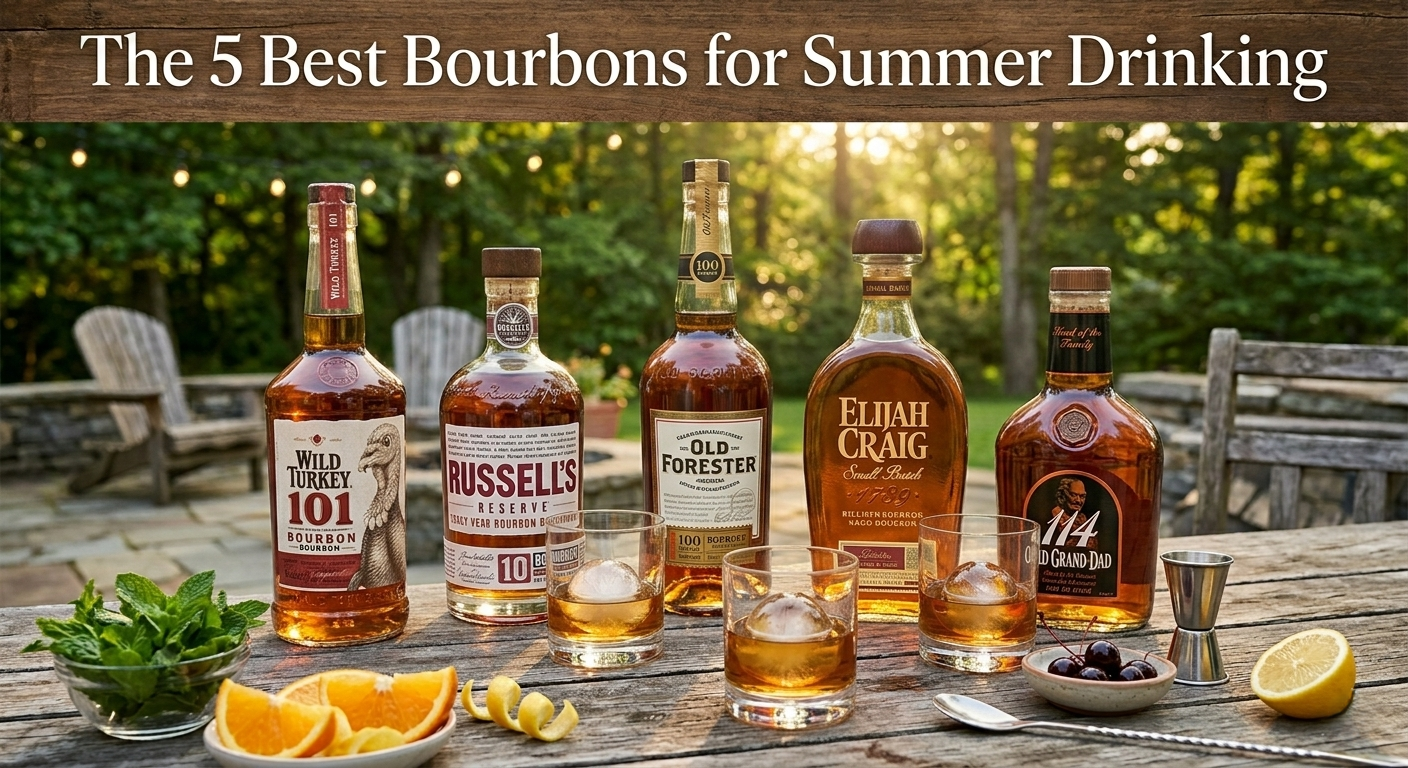
Real-World Example: Elijah Craig Small Batch is one of the most popular small batch bourbons and is rumored to be composed of barrels aged 8–12 years. It’s considered by many to be one of the best bang-for-your-buck bourbons on the market.
Pro Tip: If you’re curious about what a brand means by small batch, don’t be afraid to research or ask. Transparency is a sign of trustworthiness. Some producers like Four Roses disclose exact batch sizes on their website.
Bottled-in-Bond (BIB)
 What People Think It Means: Just another old-school marketing label.
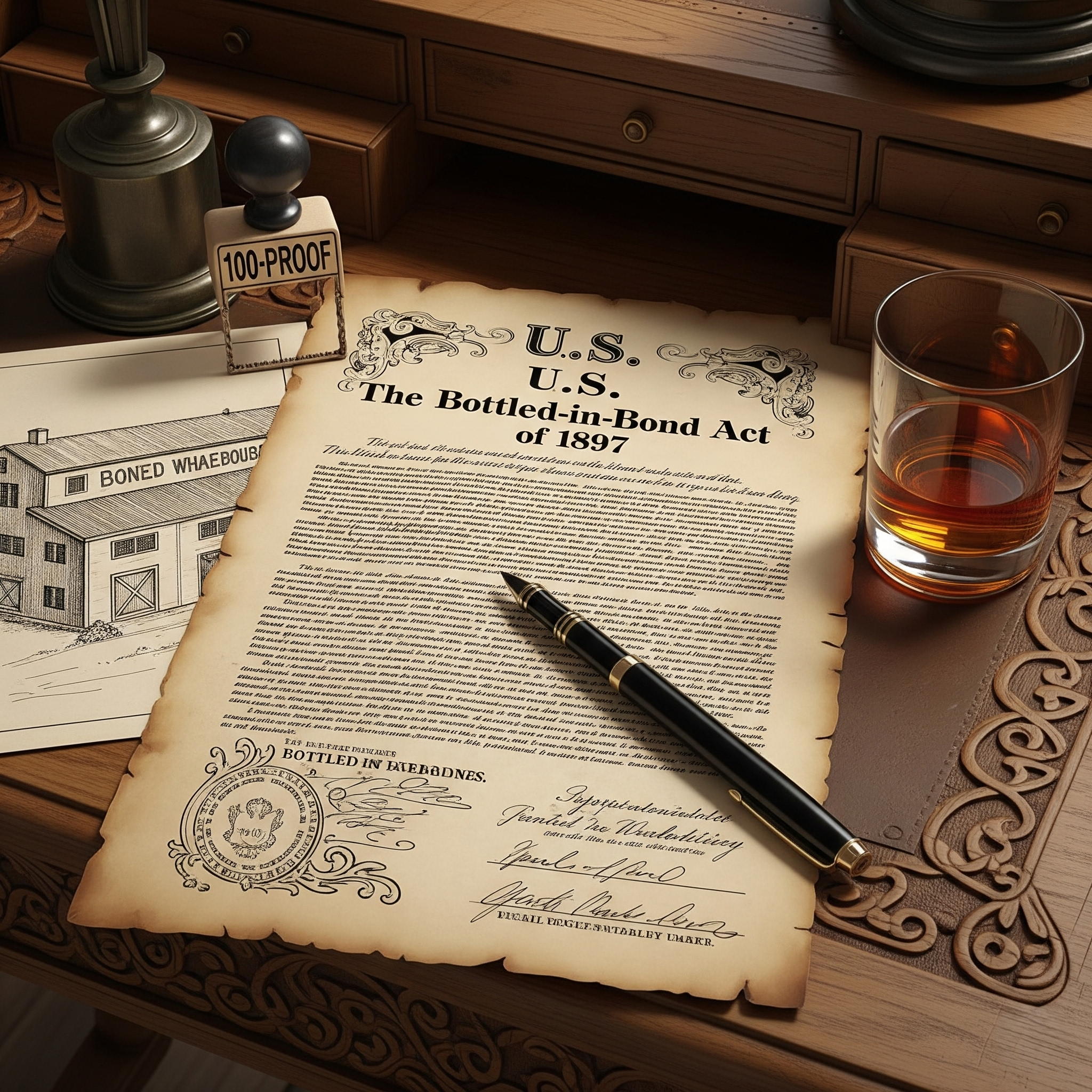
What It Really Means: Bottled-in-bond is a federally protected term defined under the Bottled-in-Bond Act of 1897—the United States’ first consumer protection law, even predating the FDA. It was created to guarantee the authenticity and quality of whiskey at a time when the industry was filled with shady practices (like flavoring spirits with tobacco or turpentine).
To qualify as bottled-in-bond, a whiskey must:
- Be the product of one distillation season (Jan–June or July–Dec)
- Be produced by one distiller at one distillery
- Be aged in a federally bonded warehouse for at least four years
- Be bottled at exactly 100 proof (50% ABV)
- Be clearly labeled with the name of the distillery and the location where it was bottled (if different)
Why It Matters: Bottled-in-bond assures drinkers of a certain level of quality, age, and consistency. Because it comes from one distillery and one season, there’s less variance than in mass-blended whiskies. You also know you’re getting something that hasn’t been watered down below 100 proof.
Real-World Example: Evan Williams Bottled-in-Bond is widely considered one of the best value bourbons on the market. Other examples include Henry McKenna 10-Year BIB and Old Forester 1897.
Pro Tip: BIB doesn’t necessarily mean expensive. In fact, some of the most affordable BIB whiskeys offer the best flavor-to-cost ratio.
Cask Strength / Barrel Proof
What People Think It Means: It’s just high-proof whiskey.
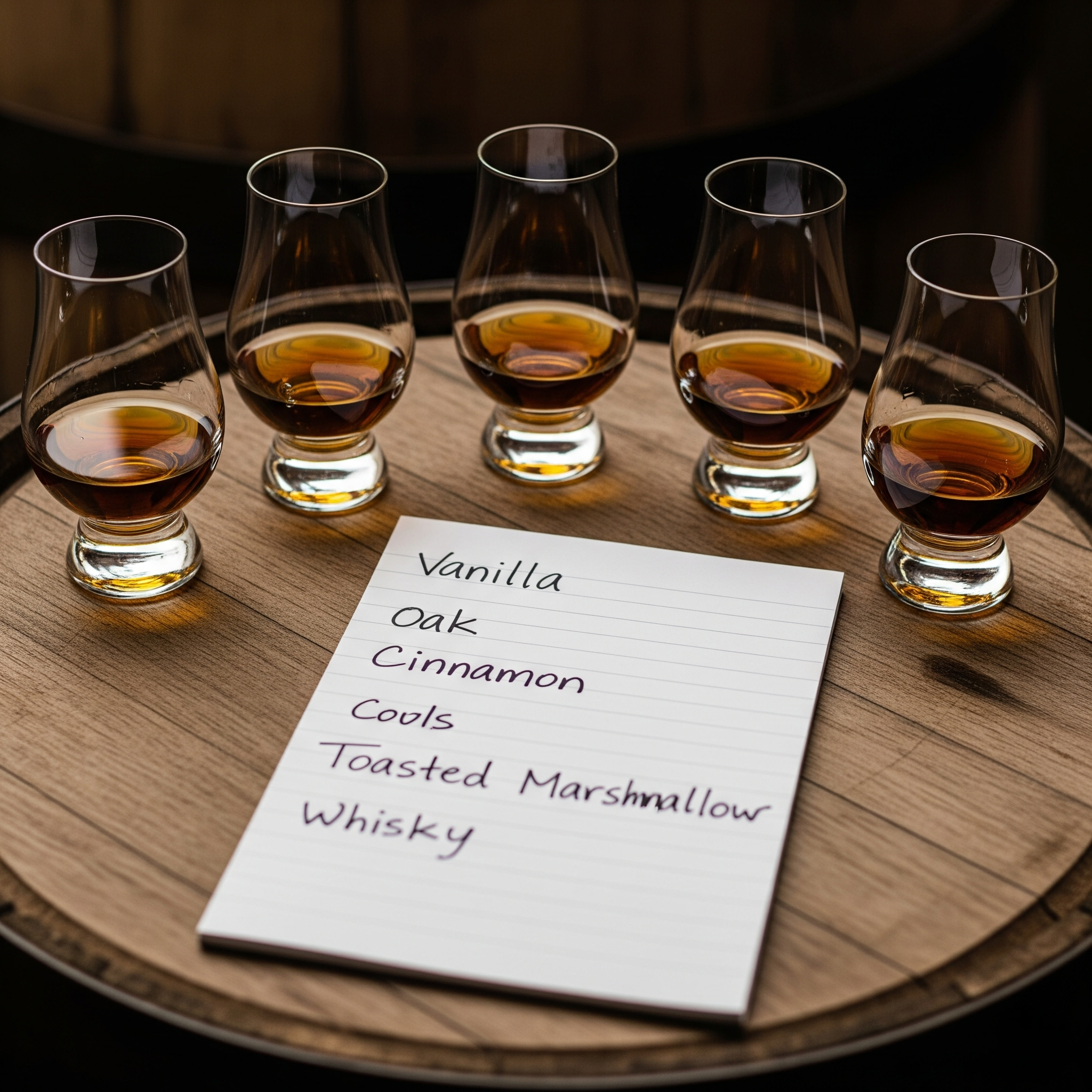
What It Really Means: Cask strength (also called barrel proof or full proof) means the whiskey is bottled without any added water after aging. It’s poured into the bottle at the proof it reached after time in the barrel, typically ranging from 110 to 140 proof, depending on the distillery, climate, and aging conditions.
Why It Matters: Aging in oak barrels naturally increases or decreases the proof of the spirit depending on climate and evaporation. A cask strength whiskey shows you exactly what the spirit became—unfiltered, undiluted, and unaltered.
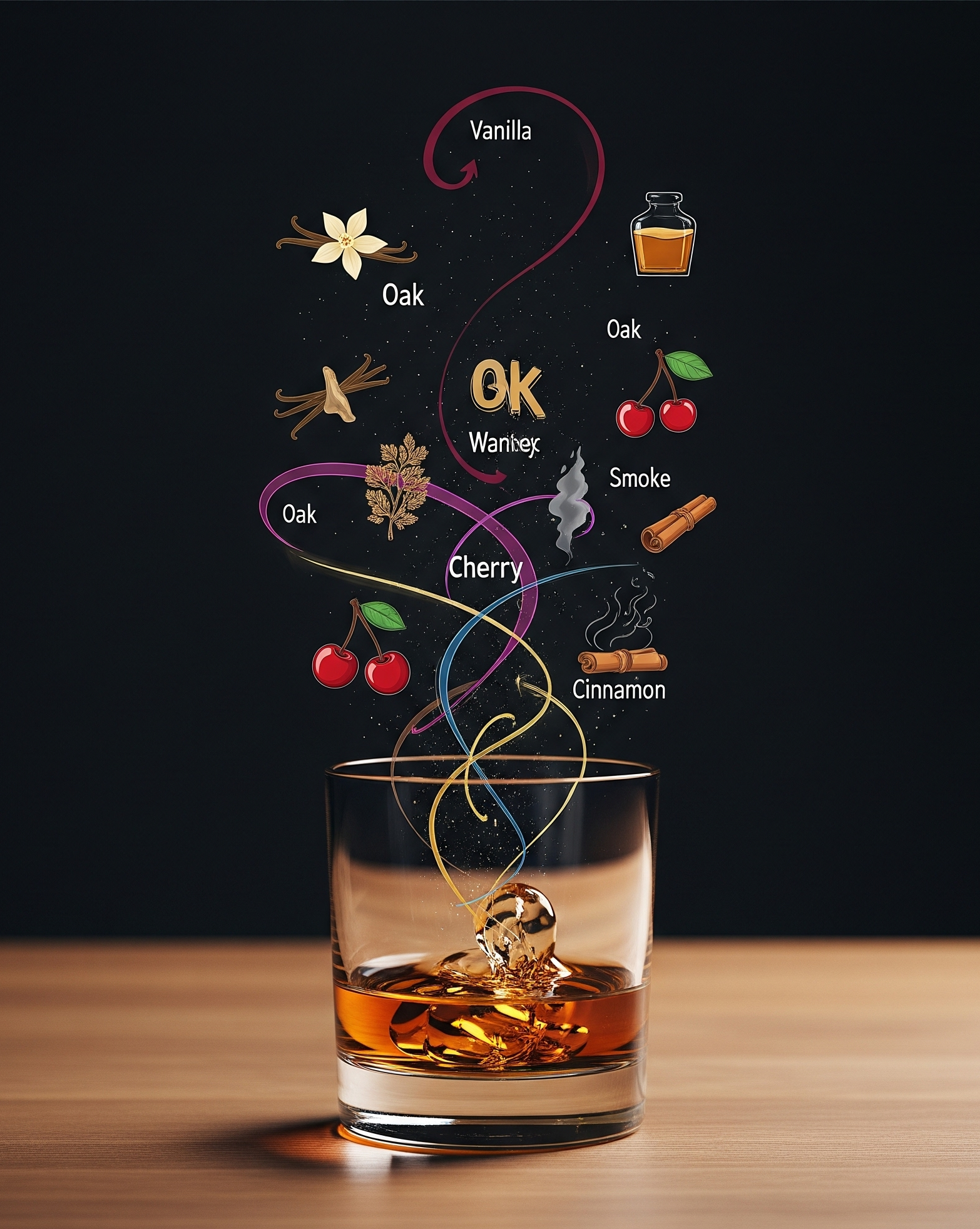
This often means bolder, more concentrated flavors. Tannins from the barrel are more intense, and aromatics like vanilla, spice, dark fruit, and tobacco are more pronounced. It also gives the drinker more control: you can always add water, but you can’t remove it.
Real-World Example: Elijah Craig Barrel Proof and Stagg Jr. are two of the most famous examples. Each batch is unique, and connoisseurs often rank and compare them by batch number.
Pro Tip: Don’t be afraid of high proof. Add water slowly to reveal more layers of flavor and aroma. Even a few drops can significantly open up the whiskey.
Age Statement
What People Think It Means: Older whiskey is automatically better.
What It Really Means: An age statement refers to the youngest whiskey in the bottle—not an average. If the bottle says “10 Years Old,” that means no whiskey in the blend is younger than 10 years—but it could include older barrels too.
Why It Matters: Age influences flavor, but older doesn’t always mean better. Young whiskey (2–4 years) can taste harsh or grainy, while very old whiskey (15–25 years) can become overly woody, tannic, or dry. There’s a sweet spot—often between 6 to 12 years—where many bourbons find ideal balance between barrel influence and spirit character.
Losing the age statement (NAS) doesn’t always mean a drop in quality, but it does remove the consumer’s ability to compare age directly. Many distillers have shifted away from age statements in recent years to allow more blending flexibility.
Real-World Example: Elijah Craig Small Batch used to carry a 12-year age statement on the front label. Today, it’s technically still 8–12 years old but no longer lists an age, frustrating many purists.
Pro Tip: Taste blind. You might prefer a younger bourbon’s brightness and spice to an older one’s oak-heavy profile. Always judge by palate—not just the number on the label.
Conclusion: Knowledge Is Power (And Better Whiskey Choices)
Understanding whiskey terminology isn’t about showing off—it’s about getting more enjoyment from what’s in your glass. Now that you know what these terms actually mean, you’ll be better equipped to pick the right bottle, talk shop at tastings, or help a friend navigate the whiskey aisle.
Next time someone drops “bottled-in-bond” in a conversation, you’ll know exactly what they’re talking about—and maybe even correct them if they don’t.
Want more whiskey breakdowns like this? Check out my reviews, educational content, and live streams on YouTube at Bourbinsane!

There are no comments
Leave a Reply
You must be logged in to post a comment.